Egypt’s Economic Freefall Under Sisi
From energy shortages to record inflation, Egypt faces a deepening crisis fueled by debt, repression, and failed economic policies.
Watan-Egypt, under the rule of Abdel Fattah el-Sisi, is experiencing an unprecedented economic collapse, with a sharp deterioration in key indicators and a worsening living crisis for citizens—despite official narratives promoting so-called “major achievements.”
In a shocking twist, Egypt—once considered a major energy producer—has now become an importer of natural gas, following a 20% drop in production in January 2025. Output fell to 4.867 billion cubic feet per day, the lowest level in eight years.
The situation with oil is no better. Production has dropped to 550,000 barrels per day—the lowest in four decades. This decline has forced the government to strike import deals with Shell and TotalEnergies for 60 shipments of liquefied natural gas (LNG), valued at over $3 billion, all while lacking any clear strategy to boost production or reform the sector.
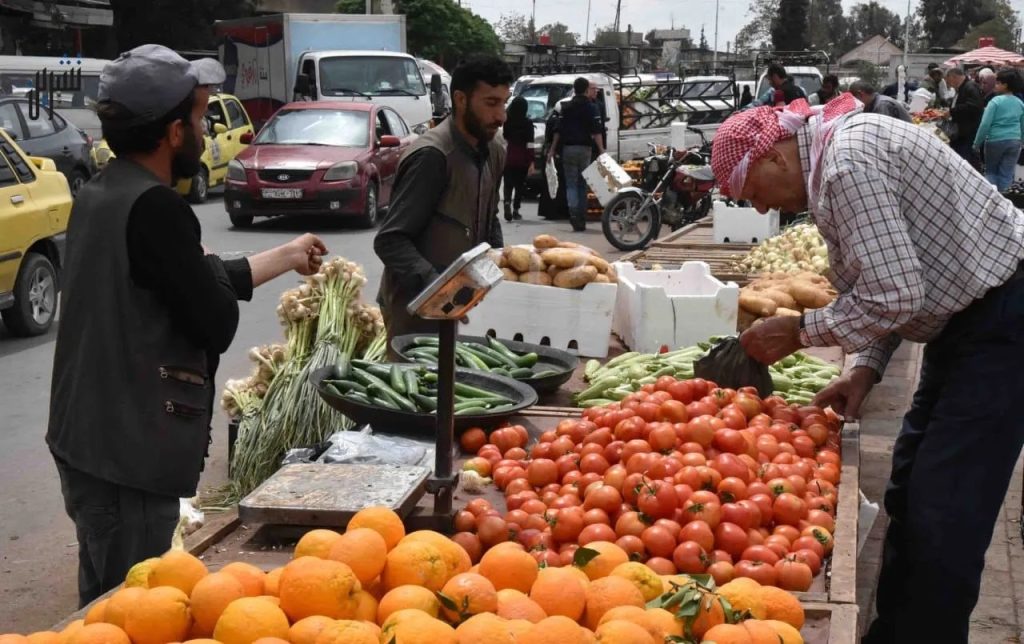
Crisis Deepens in Sisi’s Egypt
Meanwhile, the tourism sector—one of Egypt’s largest sources of foreign currency—has suffered a severe collapse. This is attributed to heightened security crackdowns, the arrest of tourists and journalists, and restrictions on freedoms. International travel companies have started warning clients against visiting Egypt, describing it as “an unsafe and unattractive environment for investment.”
External debt has more than tripled, reaching around $165 billion in 2025, up from just $46 billion a few years ago. This comes amid massive obligations to repay loan installments and interest. In contrast, the government has no genuine economic plan beyond repeated borrowing to fund vanity projects like the new administrative capital—projects that have done nothing to improve citizens’ lives or reduce the trade deficit.
Inflation has reached record highs, surpassing 35% in some months, while the Egyptian pound has lost over 70% of its value in just two years. This has led to a staggering rise in prices. The average citizen—especially pensioners and the middle class—is now struggling to afford basic necessities like food and medicine, capturing the hardship of a country weighed down by erratic policies and growing authoritarianism.
What’s happening in Egypt today is not a temporary crisis, but rather a direct result of a governance model rooted in lack of transparency, exclusion of competent voices, and suppression of freedoms—signaling the risk of an even greater catastrophe if current trends continue.