UAE Acquires Egypt’s Banque du Caire in a Controversial $1 Billion Deal
The UAE’s takeover of one of Egypt’s oldest banks at half its previous valuation raises concerns over economic sovereignty, foreign influence, and growing Emirati control over key sectors.
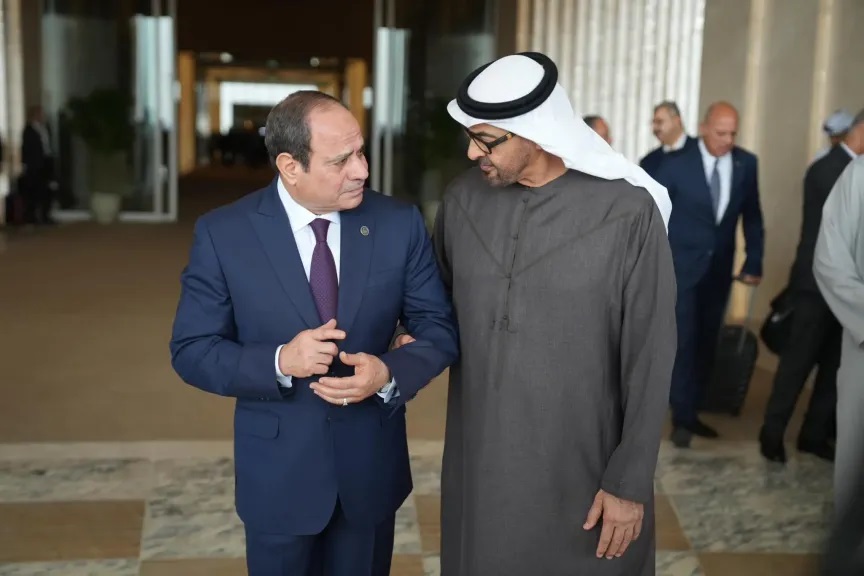
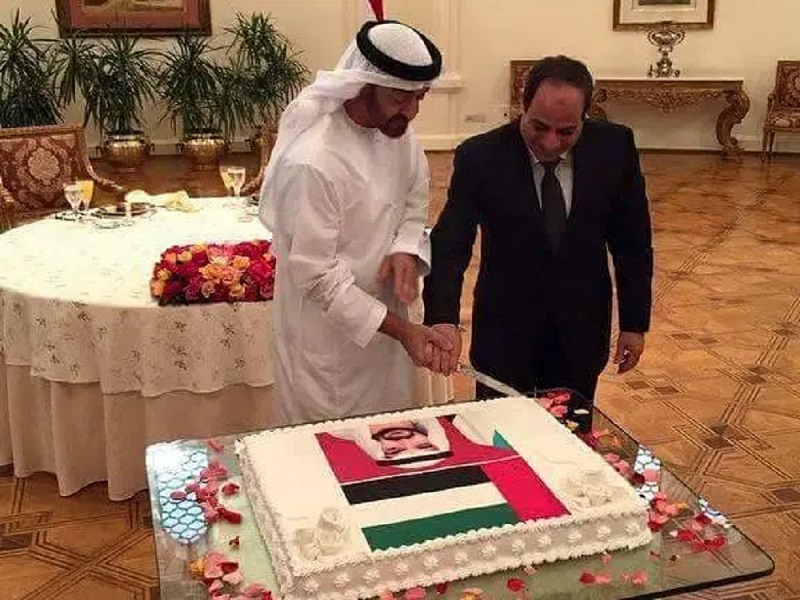
Watan-Journalist Mohamed Nasser, in his program on Mekameleen TV, exposed a shocking acquisition deal in which the United Arab Emirates (UAE) purchased Banque du Caire—one of Egypt’s oldest and most prestigious banks—for just $1 billion, significantly lower than previous offers. Some have labeled the deal “suspicious”, raising serious concerns about Egypt’s economic future and the UAE’s increasing control over key state institutions.
Who Truly Benefits from the Banque du Caire Sale?
Banque du Caire, founded in 1952, is a major financial institution with assets exceeding $7 billion, serving three million clients in Egypt and abroad. In 2008, the Egyptian government rejected a $2 billion offer for the bank. Now, 17 years later, it has been sold for less than half that value, sparking doubts over the timing and motives behind the sale.
The acquisition of Banque du Caire is not an isolated case—the UAE has taken control of several Egyptian financial institutions in recent years, including:
2007: Abu Dhabi Islamic Bank acquired the National Bank for Development.
2013: Emirates NBD purchased Pravda Bank.
2021: First Abu Dhabi Bank acquired Bank Audi Egypt.
2025: Emirates NBD began the process of acquiring Banque du Caire.
Economic & Security Risks: Who Controls Egyptians’ Money?
According to Mohamed Nasser, these UAE acquisitions mean that millions of Egyptian banking records are now in Emirati hands—and potentially in Israeli hands, given Abu Dhabi’s close ties with Tel Aviv. He pointed out that in the past, Israel spied on Egyptian newspapers to gather family and demographic details—but now, they could directly access financial data through UAE-controlled banks.
UAE Expands Control Over Egypt’s Key Sectors
Beyond banking, UAE investments have extended into agriculture, food production, pharmaceuticals, education, and healthcare, granting unprecedented control over Egypt’s economy. Some of the most significant Emirati takeovers include:
Agriculture: The UAE now owns 28,000 hectares of farmland and is Egypt’s top wheat and corn producer.
Food Industry: Emirati companies like Al Dahra dominate major crop production, including onions, beets, and citrus fruits.
Pharmaceuticals: The UAE acquired Amon Pharma, one of Egypt’s largest pharmaceutical companies.
Retail Sector: UAE-owned Majid Al Futtaim Group operates Carrefour Egypt, while Lulu Group controls Lulu Hypermarkets.
Ports & Logistics: Abu Dhabi Ports has taken over key logistics projects in Egypt’s strategic ports.
The UAE’s takeover of one of Egypt’s oldest banks
Could Egypt Face a Sudan-Like Scenario?
Nasser warned that Egypt could follow in Sudan’s footsteps, where the UAE has been accused of supporting the Rapid Support Forces (RSF), fueling violence and instability. The Sudanese envoy to the UN even accused Abu Dhabi of attempting to divide Sudan. This raises concerns over whether the UAE could use its growing economic leverage in Egypt for similar political influence.
Call to Withdraw Funds from UAE-Controlled Banks
In his closing remarks, Mohamed Nasser urged Egyptians to withdraw their money from UAE-controlled banks, stating:
“If you boycott companies that support the occupation, then you should also consider withdrawing your funds from banks that have become tools for propping up Israel’s economy.”