
Oral Health During Ramadan: Challenges and Expert Tips for a Healthy Mouth
How Fasting Affects Oral Hygiene and Practical Ways to Maintain Fresh Breath and Healthy Teeth

Watan-The holy month of Ramadan is a deeply spiritual period for Muslims worldwide, but it also brings health challenges, particularly concerning oral and dental health. Fasting, which requires abstaining from food and drink from dawn to sunset, leads to changes in the oral environment that can affect teeth and gum health.
Several scientific studies have examined the effects of fasting on oral health, offering practical recommendations to overcome related issues.


Oral Health Challenges During Fasting
1. Dry Mouth and Reduced Saliva Production
A 2023 study published in the Journal of Oral Health and Dental Management found that 65% of fasting individuals experience dry mouth due to fasting, which decreases saliva flow—a natural defense against tooth decay and gum disease.
Dr. Aisha Malik, the lead researcher from a study conducted in Dubai hospitals, explains:
“Saliva neutralizes acids produced by cavity-causing bacteria and cleanses the mouth. Without it, bacteria multiply, increasing the risk of tooth decay and bad breath.” Saliva is known to be the mouth’s primary immune defense against oral diseases.
2. Dietary Changes and Temptations of Sweets
Post-iftar meals often include sugary foods and carbohydrate-rich desserts, contributing to plaque buildup. A 2022 study in the International Journal of Dental Hygiene reported a 30% increase in the risk of cavities during Ramadan, linking it to nighttime eating and inadequate tooth brushing.
Nutritionist Omar Hassan, from a study at Texas A&M University, advises:
“Choose balanced meals that include fruits, vegetables, and dairy products to strengthen enamel and avoid sweets.”
3. Psychological Stress Associated with Ramadan
Despite its spiritual nature, Ramadan is often linked to increased psychological stress and hormonal changes. A 2018 study by Dr. Abdurreza Jalfand, published in the Journal of Medical and Dental Sciences, examined fasting individuals’ psychological states throughout the month at Ahvaz University in Iran. It found that stress can lead to mouth ulcers and bad breath syndrome.
Neglecting Dental Treatment During Ramadan
A 2009 study led by Dr. Al-Barkati, published in the Journal of Dental Education at King Saud University in Saudi Arabia, found a significant increase in missed dental appointments during Ramadan. Among study participants, 79.1% cited fasting as the primary reason for postponing treatments. Therefore, establishing “Ramadan clinics” or scheduling appointments before the month begins is recommended, especially for non-urgent surgical procedures.
An earlier study by researchers Raja and Badawi at King’s College London, published in the Dental Update Journal in 2000, explored the compatibility of dental treatments during Ramadan with religious rulings on medication and medical procedures.
The researchers noted that some patients believe any oral medical intervention could break their fast, leading to decreased adherence to dental treatments. However, studies confirm that using mouthwash or rinsing without swallowing is religiously permissible, and some emergency treatments can be performed during the day with special precautions.

Avoiding Miswak and Losing Its Benefits
Research highlights the antibacterial effects of using miswak, a natural teeth-cleaning tool. A 2014 study by Nasim and colleagues, published in the Pakistan Journal of Medical Sciences at Karachi University, found that miswak contains natural compounds that inhibit the growth of bacteria responsible for gum disease and tooth decay, such as P. gingivalis and A. actinomycetemcomitans. It also contains aromatic substances that prevent volatile sulfur compounds, which cause bad breath.
Therefore, using miswak during fasting is recommended to reduce bacterial buildup and maintain fresh breath. However, many younger generations are unaware of its medical benefits, leading to underutilization of this valuable oral hygiene tool.
Fear of Brushing Teeth and Breaking the Fast
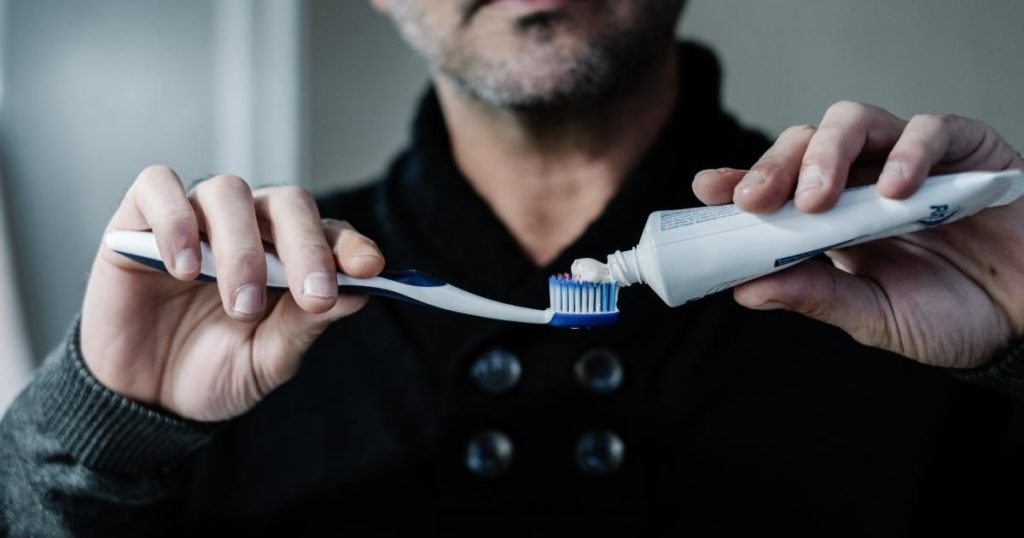
Most religious authorities across Islamic sects affirm that brushing with toothpaste does not break the fast, provided the tongue is dried with a cloth and toothpaste is not swallowed. However, many people still fear brushing their teeth while fasting.
Based on my 40 years of experience in dentistry, I assure that brushing once during fasting with a small amount of toothpaste, combined with miswak use and regular brushing after iftar and suhoor, can reduce fasting-related bad breath by more than 90%.
Recommendations for Maintaining Oral Health During Ramadan
-
Brush your teeth at least twice daily, ideally three times (including once while fasting), for two minutes each time.
Use fluoride toothpaste after iftar and before suhoor. Wait 30 minutes after eating before brushing to prevent enamel erosion and ensure thorough plaque removal. -
Stay hydrated.
Drink at least eight glasses of water between iftar and suhoor to keep your mouth and body hydrated. -
Use a tongue scraper.
This helps reduce bacteria on the tongue and combat bad breath. A toothbrush or miswak can also be used. -
Chew sugar-free gum.
Chewing gum with xylitol (a sugar substitute) after meals can stimulate saliva production and fight bacteria. -
Avoid sugary and acidic foods.
These contribute to tooth decay and gum issues. Instead, choose vitamin C-rich fruits like berries, guava, and oranges. -
Visit your dentist regularly.
Routine check-ups and cleanings are crucial. If dental treatments are necessary, they can be performed while fasting, though it is advisable to visit the dentist before Ramadan to ensure optimal oral health. -
Quit smoking.
Ramadan is an excellent opportunity to quit smoking, significantly improving oral health, as smoking is a major cause of gum disease and bad breath.
Ramadan presents a perfect opportunity to adopt healthier habits, including improved oral hygiene. By following recommendations from scientific studies conducted in Saudi Arabia, Iran, Pakistan, and the UK, fasting individuals can maintain good oral health and minimize problems arising from physiological changes during fasting.