Did Israel Stage the Tel Aviv Bus Explosions? Analysts Question the Timing
As tensions rise over the return of hostages in coffins, analysts suggest the Tel Aviv bus explosions may have been a diversion to justify military escalation in Gaza and the West Bank..
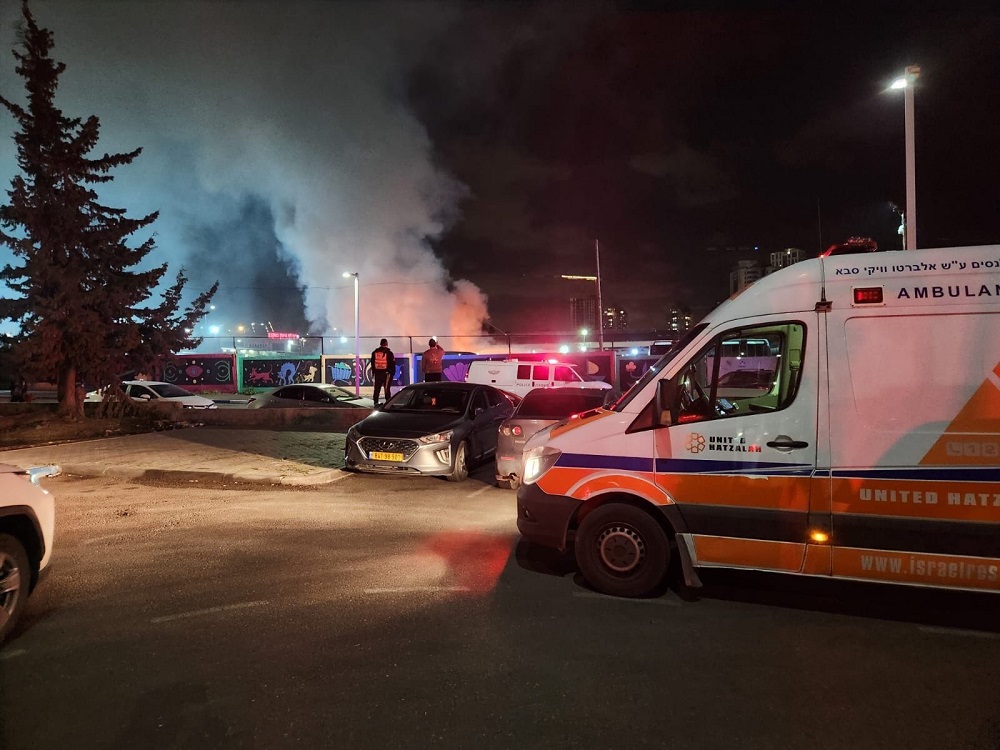
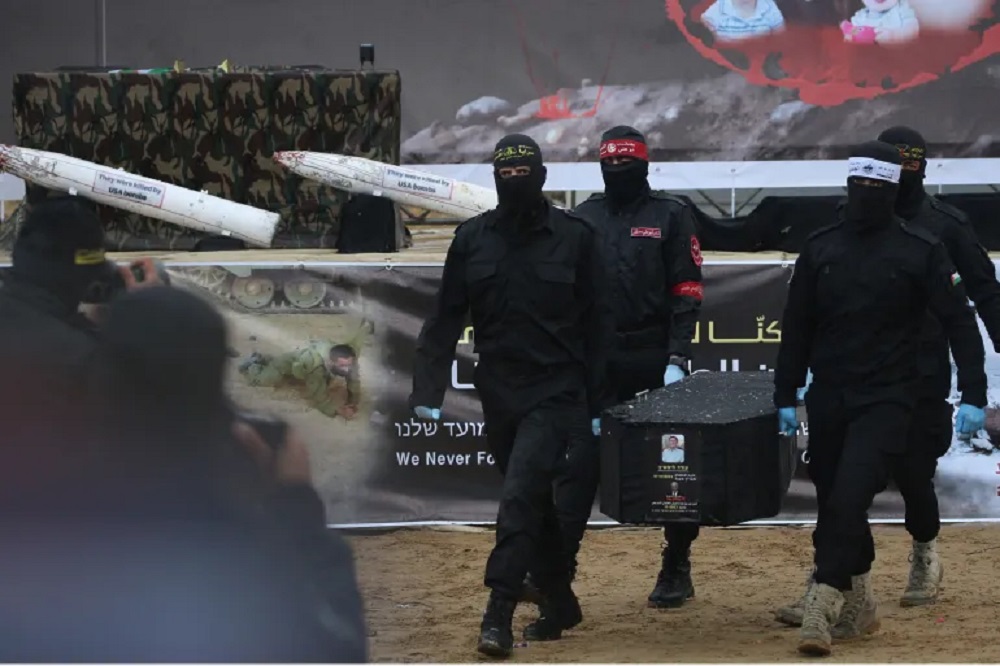
Watan-Two analysts did not rule out the possibility that the explosions that hit three buses in the Bat Yam area, south of Tel Aviv, were “staged and an attempt at deception,” given the internal Israeli tensions following the return of hostages in coffins and accusations against the government of abandoning them.
Ehab Jabarin, a writer specializing in Israeli affairs, found it striking how quickly Israel concluded that the explosions had a nationalist motive. He questioned who would benefit from such an event on a day when all eyes were on Israel following the handover of hostages’ remains.
Speaking to Al Jazeera, Jabarin recalled past bombings that no group claimed responsibility for, noting that their timing was always suspicious. He suggested that Israel has historically used such incidents as pretexts, particularly during political crises.
Jabarin speculated that Israel might exploit the explosions to reinforce its narrative, advance its ambitions in the West Bank, and further its war objectives in Gaza, including efforts to disarm the resistance.
Additionally, he noted that the bombings could accelerate Prime Minister Benjamin Netanyahu’s potential dismissal of Shin Bet chief Ronen Bar, following mounting pressure from the right-wing coalition that recently led to the resignation of IDF Chief of Staff Herzi Halevi.
He also pointed to an apparent Israeli attempt to exaggerate Palestinian capabilities, stating that there is a “systematic inflation of the so-called Palestinian threat to a nuclear-armed state.”
Israeli Authorities React
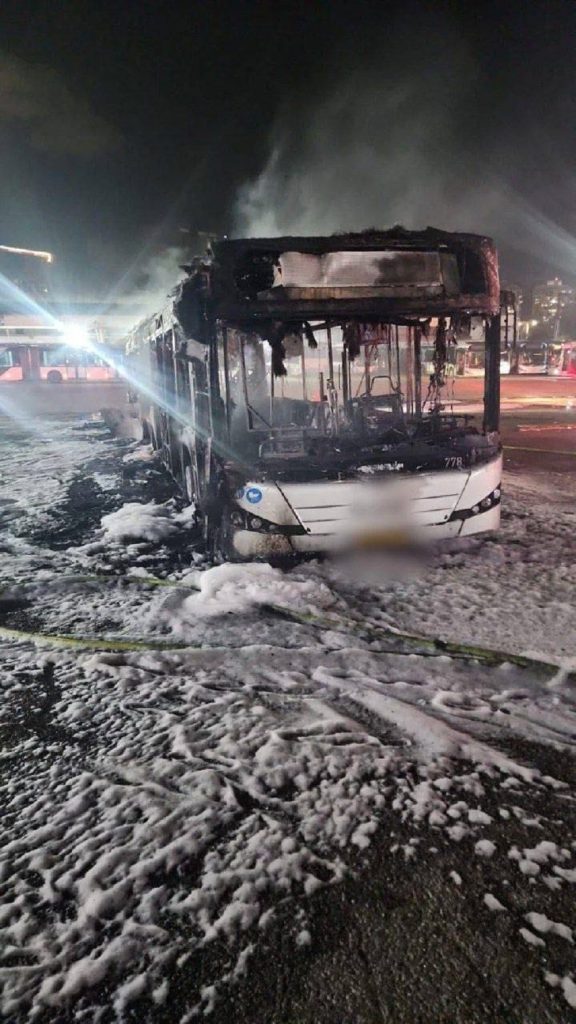
On Thursday evening, Israeli police reported that explosions had struck three buses in the Bat Yam area, south of Tel Aviv. They stated that five explosive devices had been planted in the region, with some of them detonating. Authorities suspected the bombings were nationalist in nature.
Israeli media reported that preliminary investigations suggested the explosions were caused by planted bombs. Police launched a search operation to track down suspects involved in placing the devices.
Military expert Brigadier General Elias Hanna noted that Israel’s response to the explosions reflected a state of panic, pointing to an intelligence failure. He criticized Israeli authorities for instructing bus drivers to inspect their vehicles for explosives, calling it a sign of security incompetence.
Hanna was also skeptical about an Israeli news broadcast that showcased a dismantled explosive device, emphasizing Arabic inscriptions on it. He argued that such a presentation did not align with military logic.
He did not rule out the possibility that the explosions were staged or a deceptive maneuver, especially given the absence of casualties. He cited historical incidents, such as the 1982 attempted assassination of the Israeli ambassador in London, which was used as a pretext for Israel’s invasion of Beirut.
His comments came in response to Israeli media reports claiming that one of the unexploded bombs had Arabic writing on it, stating “Revenge for Tulkarm Camp.” Additionally, the Tel Aviv regional commander said the nature of the devices suggested they were manufactured in Palestinian territories.
Israeli Media and Government Responses
The Jerusalem Post quoted Israeli police as saying, “The attack appears to be terrorism, as three explosive devices were found on three empty buses.” Meanwhile, Israel’s Channel 12 reported that two additional unexploded devices were found in separate locations.
The Israeli Walla news site cited sources stating that the bombs found south of Tel Aviv were intended to detonate simultaneously on Friday morning. Israeli Army Radio suggested that the security assessment pointed to the West Bank as the likely source of the attack.
Escalation in the West Bank
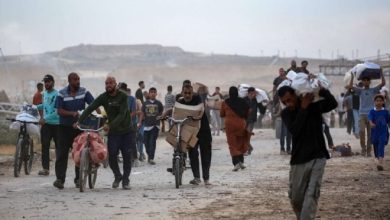
The Israeli military has been carrying out a large-scale operation in northern West Bank refugee camps for over a month, killing dozens of Palestinians, including women and children. Israeli forces have also bulldozed large sections of the Tulkarm, Nur Shams, and Jenin camps, demolished and burned hundreds of homes, and forced tens of thousands of Palestinians to flee.
Israeli Defense Minister Yoav Gallant stated that he had ordered the army to intensify operations to “eliminate terrorism in Tulkarm camp and all West Bank camps.”
Meanwhile, Israel Hayom quoted an official in the Prime Minister’s Office saying that Netanyahu views the bombings with “utmost seriousness” and will order a “harsh offensive operation in the West Bank.”