International Conference in Paris to Address Syria’s Political Transition and Security Challenges
Key international actors meet in Paris to discuss Syria's transition and future challenges.
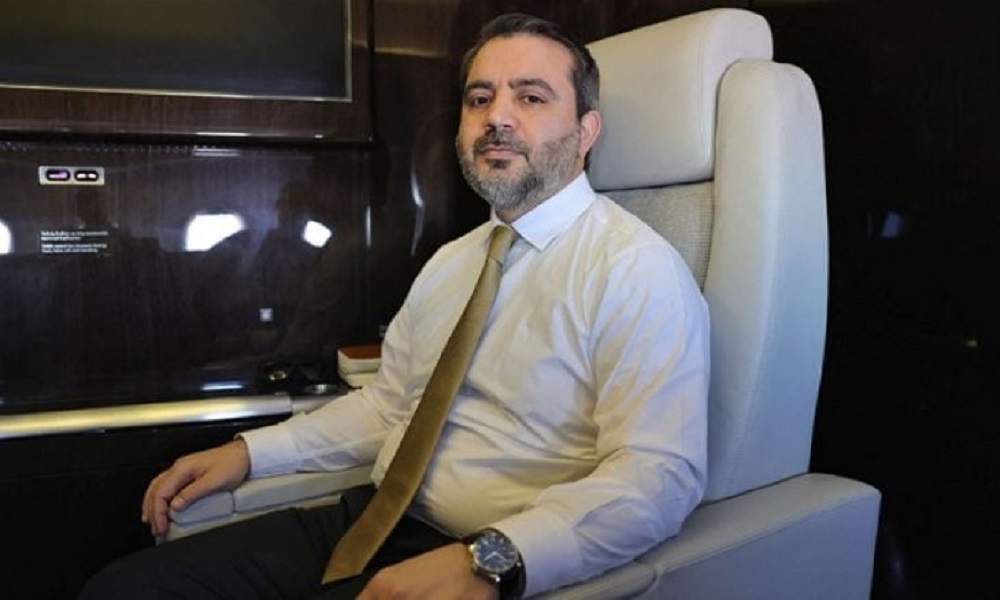
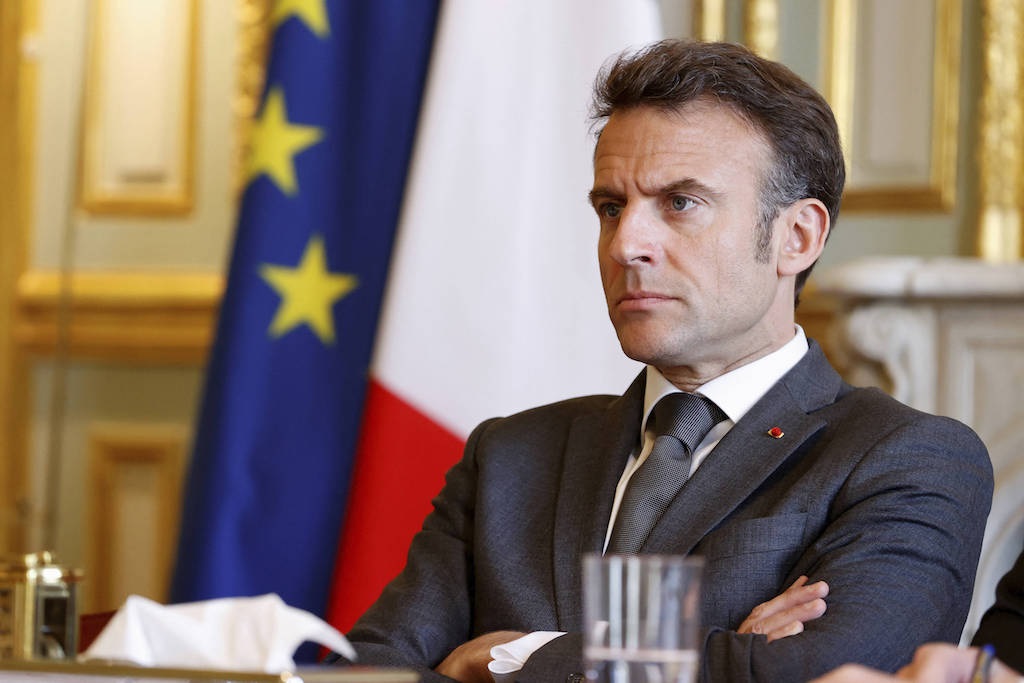
Watan-With the participation of French President Emmanuel Macron and the attendance of Syrian Foreign Minister Asaad Hassan Al-Sheibani, an international conference will be held in the French capital, Paris, on Thursday, February 13, at the Ministerial Conference Center of the Ministry of Europe and Foreign Affairs.
The conference will address political transition and the enormous security and economic challenges Syria faces after the fall of Bashar al-Assad’s regime.
International Conference in Paris to Address Syria’s Transition
The conference will host Syria’s neighboring countries, the Arab League, the Gulf Cooperation Council, in addition to Turkey, the United States, France, Germany, the UK, the European Union, and the United Nations. Israel and Syrian Kurdish representatives will not attend.
The conference, which previously held its first edition in Aqaba, Jordan, and the second in Saudi Arabia, aims to address three “urgent needs” in Syria, according to the Élysée Palace: coordinating efforts for a peaceful and representative political transition in Syria; mobilizing key partners to improve cooperation and aid coordination for the Syrian people; and organizing transitional justice and fighting impunity.
While no major announcements are expected from the Paris conference, the Élysée Palace stated that multilateral donors and international agencies will meet Thursday morning to develop a “strategy for coordinating international aid,” which has been fragmented until now, emphasizing the “importance of U.S. mobilization.”
A partial easing of sanctions is expected to be announced in the coming weeks.
Key Issues at the Heart of Syria’s Transition: Sanctions, Financial Support, and Sovereignty
Another crucial point is the lifting of banking sanctions and obstacles to money transfers, which go through Washington. In this regard, a European diplomatic source stressed that “without substantial financial support, the transitional process in Syria cannot succeed.” The same source is skeptical of a “Marshall Plan” emerging in the current global context for Syria, with the United Nations estimating the cost of its reconstruction at over $400 billion, as reported by French website Mediapart.
Furthermore, according to diplomatic sources, the conference also aims to establish a “health belt” to protect Syria’s transitional phase from foreign intervention and to send messages to the new Syrian government.
In this context, the Élysée Palace emphasizes that “efforts must be made to establish a unified and stable Syria that restores its sovereignty over its entire territory,” at a time when diplomatic sources warn that the country, with a population of 23 million, remains fragmented and could descend into chaos at any moment.
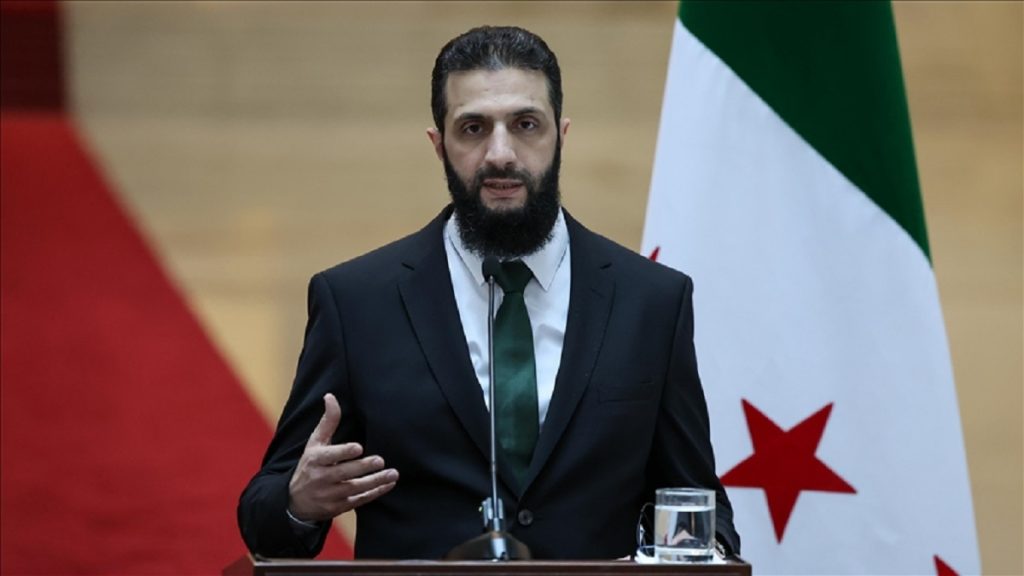
This week, transitional Syrian President Ahmad al-Shara announced the joining of thousands of people to the “New Syrian Army.” However, he must consider Turkey’s loyalist forces, which are fighting in the north with the Kurds, Ankara’s sworn enemies but Western allies.
Meanwhile, as part of “Operation Inherent Resolve,” operations against jihadists from ISIS, defeated in 2019, continue as they still pose a threat.
Talks have begun between the Kurds and the new force in Damascus, as well as with Turkey, driven by Washington and Paris, according to a French source.