Uncovering Scandals: Sexual Assault, Alcohol, and Drug Abuse in Israeli Shelter Facilities
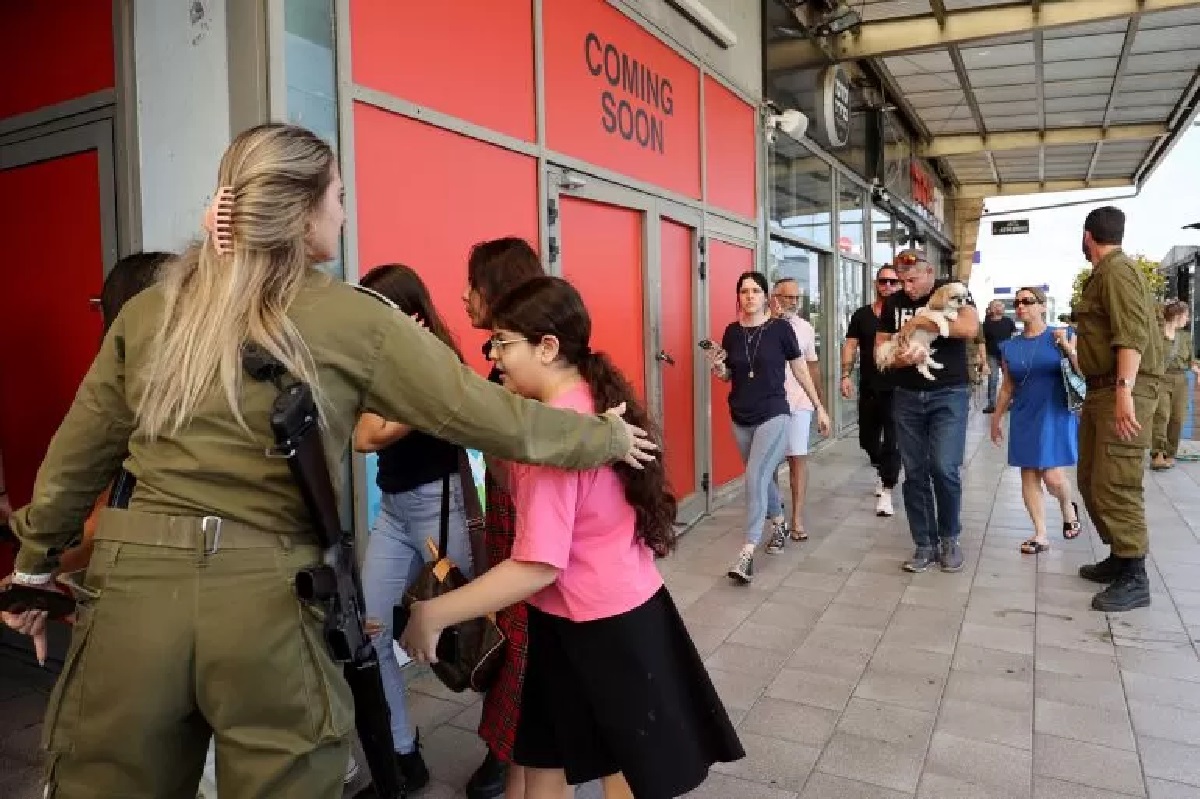
Watan-Israeli shelters and hotels for the displaced are witnessing serious incidents, which were reviewed in a session held by the Israeli Knesset.
In the session conducted by the special committee for children’s rights in the Knesset, Vered Finderman, the CEO of the Child Safety Council, acknowledged incidents of sexual assaults and drug abuse in shelters and hotels for the displaced.


Finderman stated, ‘I’ll summarize it briefly. There are serious incidents occurring in hotels and reception centers, starting with unauthorized entry into reception facilities. We have been informed by members of the working teams that those who wish to enter reception facilities simply do so without disclosing their identity.’
She added, ‘Basic screening is not conducted for many of the volunteers residing with the children, and there is suspicion of sexual assaults. The association of assistance centers will be able to outline cases of sexual assault that have been reported to them.
https://twitter.com/AJArabic/status/1727326075137806599?ref_src=twsrc%5Etfw%7Ctwcamp%5Etweetembed%7Ctwterm%5E1727326075137806599%7Ctwgr%5Efa8ef8ef04b08fe83ff901e138165f905230a1ec%7Ctwcon%5Es1_&ref_url=https%3A%2F%2Fwww.watanserb.com%2F2023%2F11%2F23%2FD8A7D8BAD8AAD8B5D8A7D8A8-D988D8AED985D988D8B1-D988D985D8AED8AFD8B1D8A7D8AA-D981D8B6D8A7D8A6D8AD-D8A8D8A7D984D8ACD985D984D8A9-D981D98A%2F
Rise in Drug Consumption
Meanwhile, Yael Tal Foa, a member of the Association of Assistance Centers for Victims of Sexual Assault, revealed an increase in alcohol and drug consumption among teenagers. She pointed out several complaints of sexual assaults occurring under the influence of alcohol and drugs.
Yael Tal Foa stated, ‘We have received a significant number of cases related to alcohol and drug consumption by teenage boys and girls while roaming in hotels and public places.’
Sexual Assaults
She added, ‘We have also received reports of cases of sexual assaults that occurred under the influence of alcohol.’
Committee members also spoke about the chaos in appointing volunteers in accommodation hotels and the lack of supervision over individuals in contact with children, including the appointment of two volunteers previously convicted of sexual assault.
Calls to Prohibit the Employment of Sexual Offenders
The committee called for the regulation of rules to prevent the employment of sexual offenders as volunteers. It also accused Israeli ministries of not taking responsibility for what is happening.
Vered Finderman said, ‘The displaced children are victims of severe trauma. They are in an unfamiliar environment, children and adults together. There is ambiguity between the public and private space, and someone from government ministries must take responsibility for that.’
Half a Million Israeli Displaced
It is noted that since the launch of the Palestinian resistance’s operation ‘Aqsa Deluge’ on October 7th, more than half a million Israelis have been displaced from their homes in southern Israel. They are currently residing in hotels, reception centers, or with relatives.
In order to avoid rocket attacks from the Palestinian resistance in the Gaza Strip, the occupying government evacuated thousands of Israelis from their homes and covered the expenses of their accommodation during this displacement period.
The occupying government rented hotel rooms and guesthouses for these displaced individuals and set up tents for their housing needs.
Given the diverse needs of these displaced individuals, including housing, food, and medical care, the Netanyahu-led occupying government finds itself facing new burdens added to the escalating financial deficit