Over 300 French-Speaking Authors Call for Ceasefire and Sanctions on Israel Amid Gaza War
Prominent writers, including Leïla Slimani and Virginie Despentes, urge immediate halt to violence, release of hostages, and end to “genocide that concerns us all”.
Watan-In a powerful and unprecedented statement published in the French newspaper Libération, over 300 French-speaking writers, including Leïla Slimani, Virginie Despentes, Gaël Faye, Mona Chollet, Nicolas Mathieu, and Mohamed Mbougar Sarr, voiced deep concern over the situation in Gaza and called for an immediate ceasefire, sanctions on Israel, and the release of Israeli hostages.
The letter reads:“Our collective responsibility is at stake. Israel continues to kill Palestinian men and women relentlessly—dozens every day. Among them are our colleagues: writers in Gaza. And when it doesn’t kill them, it maims, displaces, or deliberately starves them. Israel has destroyed the spaces of reading and writing—libraries, universities, homes, and gardens.”
The signatories added:“We, French-speaking writers, have waited too long to speak in one voice. At this historic moment, we can either turn away or rise to the responsibility placed upon us.”
They concluded:“Now more than ever, we must demand sanctions on the State of Israel and call for an immediate ceasefire that ensures security and justice for Palestinians, facilitates the release of Israeli hostages, and the liberation of thousands of Palestinian prisoners arbitrarily detained in Israeli jails—and brings an end, without delay, to this genocide that affects us all.”
— CHRIS LAVAQUERIE-KLEIN (@ChrisLavaquerie) May 27, 2025
Film Industry Joins Cultural Uprising
On the sidelines of the Cannes Film Festival’s opening on May 13, numerous global cinema figures—including Ralph Fiennes, Richard Gere, Javier Bardem, Pedro Almodóvar, and Susan Sarandon—also signed a statement, co-published by Libération and Variety, condemning the “cultural silence” surrounding what they called the “ongoing genocide in Gaza.”
Since then, over 900 figures from the film industry have added their names to the declaration, including actor Joaquin Phoenix, directors Ari Aster and Guillermo del Toro, and French actors Omar Sy and Juliette Binoche, the latter of whom chaired the 78th Cannes jury.
Humanitarian Catastrophe in Gaza
Humanitarian Catastrophe in Gaza
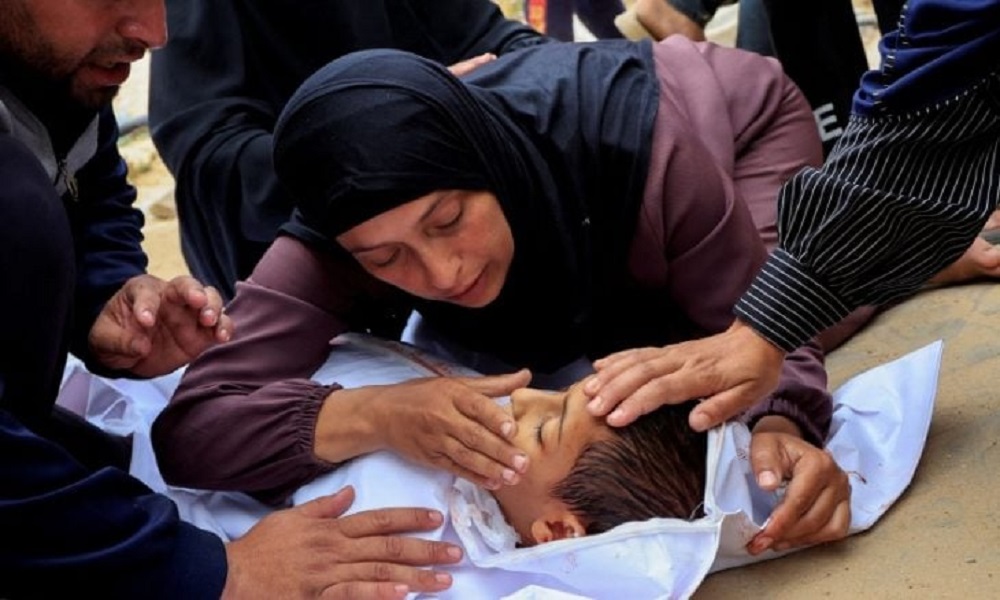
The open letter comes as Gaza continues to suffer under a near-total blockade imposed by Israel. After more than two and a half months of restricted aid, the population is facing severe shortages and the looming threat of famine.
According to the World Health Organization’s emergency director, 2.1 million people in Gaza are at imminent risk of death.
Under international pressure, Israel allowed a partial easing of the blockade last week, enabling around 90 trucks carrying humanitarian aid to enter Gaza—a drop in the ocean of the enclave’s needs.