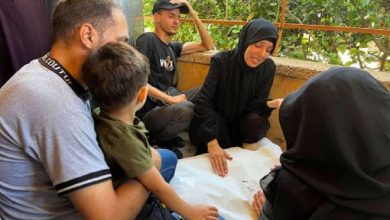
Released female soldiers refute Israeli allegations of drug use.
Four Israeli soldiers freed in the second phase of a prisoner swap refute allegations of mistreatment, highlighting humane treatment by Palestinian factions under Islamic principles.

Watan-Israeli army doctors said after examining the female soldiers released as part of the prisoner exchange deal in Gaza on Saturday that their health was “excellent” and confirmed that they were not given any stimulants or drugs during their time in Gaza. This contradicts earlier official Israeli claims that Hamas had given Israeli detainees stimulants in the form of vitamins and sedatives to make them appear happy before their release.
According to the official Israeli Broadcasting Authority, the doctors said after examining the four soldiers following their release from Gaza that they were in “good and stable health.” The doctors added that the soldiers confirmed they had not been given any stimulants or drugs while in captivity.


Earlier on Saturday, four female soldiers were released as part of the second round of the prisoner exchange deal included in the prisoner swap agreement. In return, Israel released 200 Palestinian prisoners, with 114 of them returning to Ramallah in the central West Bank, 16 to Gaza, and 70 being deported to Egypt.
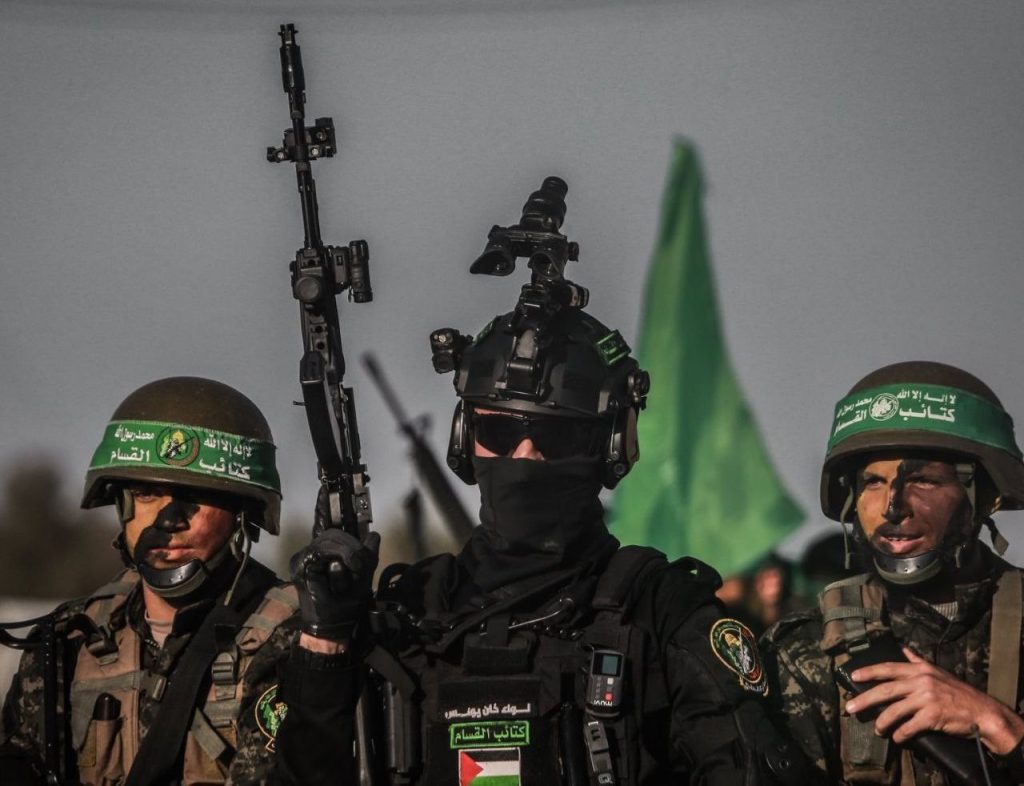
In a video published by Hamas’ military wing, Al-Qassam Brigades, on Telegram, the four Israeli soldiers expressed their gratitude in Arabic to the Palestinian factions for their good treatment during their captivity in Gaza and for preserving their lives despite heavy Israeli bombardment. This echoed a statement by a member of Al-Qassam’s military council, Ezzedine Al-Haddad, on a television program Friday, affirming that the instructions given to the guards of Israeli detainees were to treat them well in accordance with Islamic teachings, even as Tel Aviv continuously sought to kill them.
The Israeli occupation had previously promoted claims that female detainees in Gaza, captured from settlements near the Gaza Strip on October 7, 2023, were subjected to “sexual violence.” However, international media investigations, including interviews with Israeli detainees released in a prior exchange deal in November 2023, disproved these allegations.

The second prisoner exchange today comes as part of the Gaza ceasefire agreement, which began on January 19. The first exchange occurred on the first day of the agreement and included the release of three civilian Israeli detainees in exchange for 90 Palestinian prisoners, consisting of women and children, all from the occupied West Bank, including Jerusalem.
The first phase of the agreement, which consists of three stages lasting 42 days each, stipulates the gradual release of 33 Israeli detainees in Gaza, whether alive or deceased, in exchange for an estimated 1,700 to 2,000 Palestinian prisoners.