Turmoil in Syria’s Coastal Region: Clashes Erupt Amid Power Struggles
Renewed battles between remnants of the ousted regime and government forces expose deep-rooted tensions and external influences shaping Syria’s future.
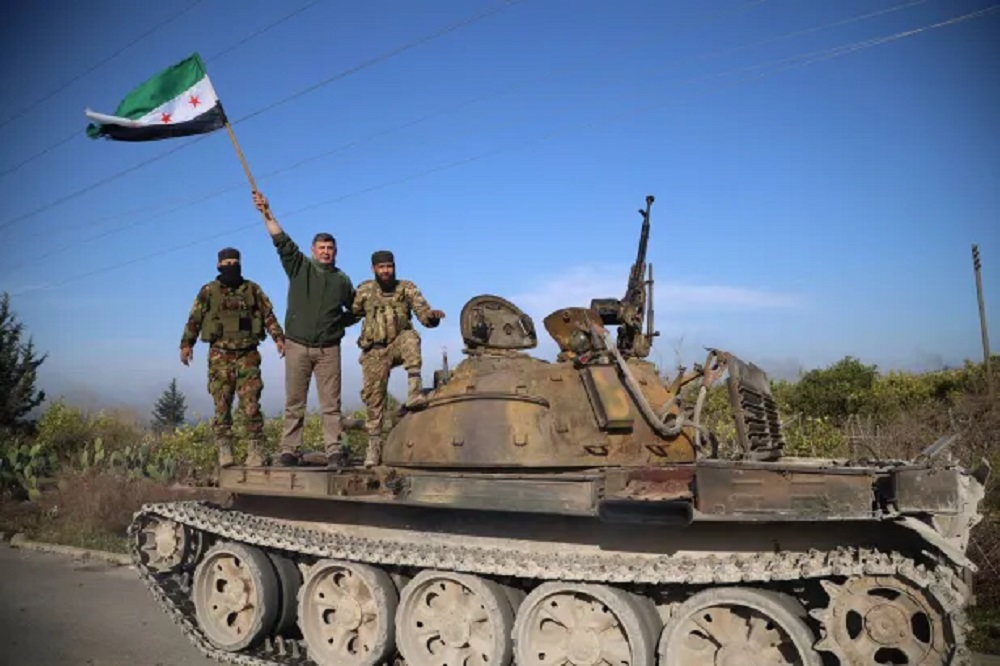
Watan-A combination of internal and external factors has led to the eruption of battles on the Syrian coast and the renewed clashes between remnants of the ousted regime and government forces. This reflects the scale of challenges and risks surrounding Syria’s stability, just three months after the fall of Bashar al-Assad’s regime. Syrian authorities assert that the attack, which began days ago, is part of a long-planned scheme by former regime loyalists with external backing.
The involvement of key figures from the previous regime, such as factions linked to former regime army colonel Suheil al-Hassan in Latakia, has been highlighted as a driving force behind this conflict. Accusations have also been directed at Iran and other actors for fueling the unrest to destabilize the new government and hinder its consolidation, hoping to ignite further rebellion across the country, particularly in the south and northeast.
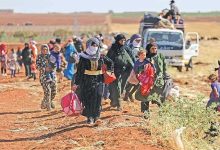
The recent events on the Syrian coast have clearly escalated beyond the limited incidents seen in previous weeks, which had been swiftly contained. The latest attacks in the region appear to be organized and coordinated as part of a premeditated plan, executed amid public discontent. Several factors have been exploited, including minority fears, the exaggeration of recorded abuses during security operations, and growing frustration over the mass dismissal of government employees.
Additionally, some criticize the new authorities for failing to launch a transitional justice process, legally prosecuting those responsible for past crimes, and conducting incomplete reconciliation efforts with former regime loyalists—leaving weapons in their hands. This has been compounded by incitement campaigns on social media in recent months, promoting sectarian narratives and accusations of targeting specific segments of the Syrian population. This volatile mix has ignited the situation on the coast, posing one of the most serious challenges to the new authorities since Assad’s fall. It coincides with ongoing Israeli strikes on Syrian territory and overt plans to weaken and even dismantle the Syrian state.
Background of the Coastal Battles
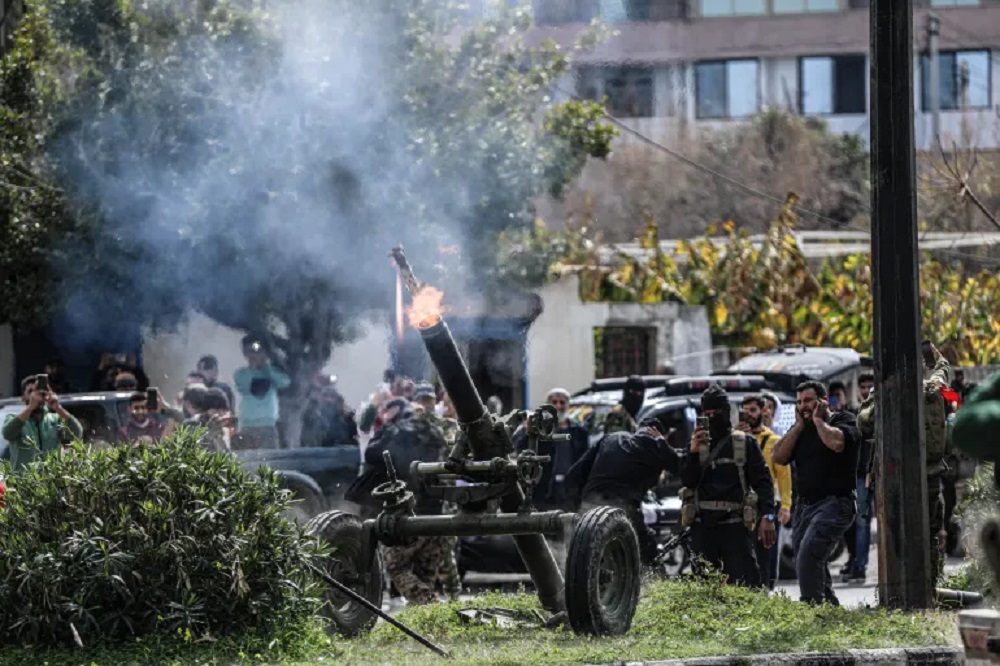
Clashes between security forces and former regime supporters continued on Friday across different parts of the Syrian coast, particularly in Latakia province, which experienced intense fighting overnight from Thursday to Friday, especially in Jableh and Qardaha. The battles resulted in dozens of casualties on both sides. Similar incidents were reported in Tartus and Homs—three provinces that were once strongholds of Assad’s regime. Large reinforcements were deployed to the coast as part of efforts by the General Security Forces and the Syrian Ministry of Defense to track down armed elements. Hundreds of these militants had seized control of towns, villages, and government and military sites before government forces managed to reclaim many of them.
The current unrest in Syria’s coastal region began last Tuesday during a security operation in the Datoor area of Latakia province. Tensions escalated after a video surfaced showing an officer making sectarian insults at locals from his car, leading the Latakia Internal Security Agency to announce his arrest and referral to a disciplinary committee. Shortly after, an attack on a General Security patrol near the village of Beit Aana triggered a wave of assaults across multiple areas. A resident of Jableh reported that armed groups had been preparing for large-scale attacks against General Security forces ahead of Ramadan.
The situation exploded on Friday, February 28, when security forces attempted to arrest a wanted individual in the village of Dalia. Residents refused to hand him over, leading to an armed standoff and an attack on security vehicles. The clashes escalated into full-scale fighting within the city, resulting in casualties and the siege of hospitals, including the National Hospital and Al-Nour Hospital, by armed insurgents. This forced authorities to convert a hall inside Abu Bakr Mosque into a makeshift field hospital. The resident also noted that social media campaigns over the past months have contributed to fostering separatist sentiment among many locals for sectarian reasons.
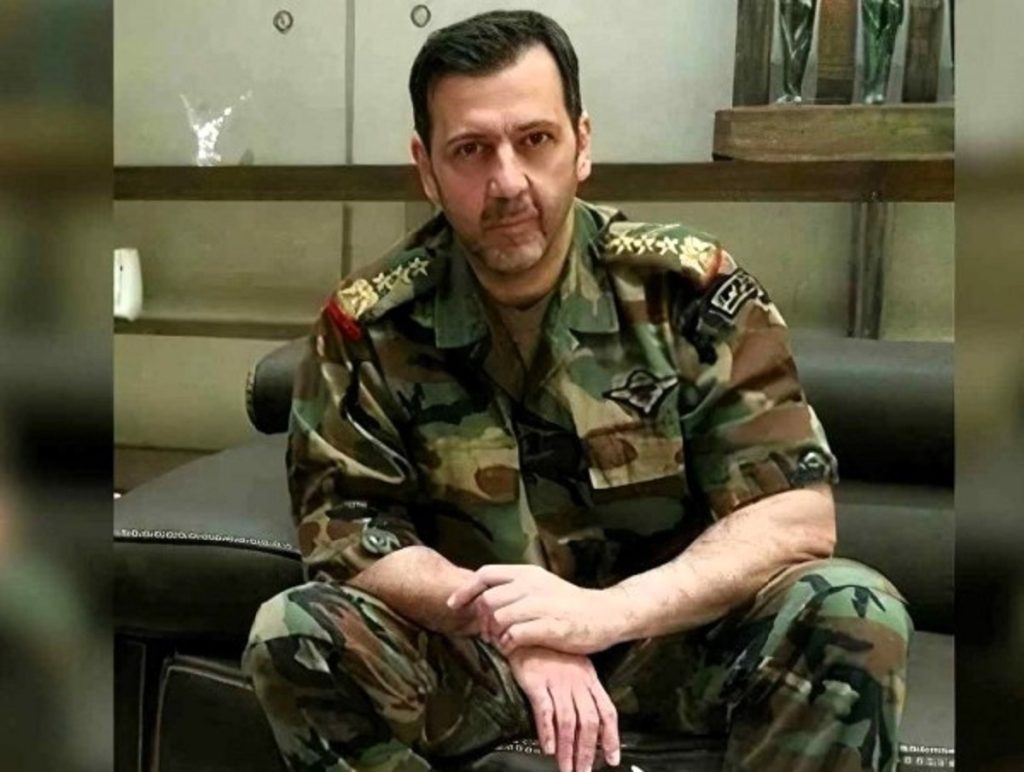
It is impossible to ignore reports indicating that the coastal turmoil has been in the making for some time. The return of Ghiyath Dalla, a former leader of the Fourth Division (once led by Maher al-Assad), to the forefront of events has fueled suspicions. Just days ago, Dalla announced the formation of the so-called “Military Council for the Liberation of Syria” and began coordinating with other figures from the former regime’s army. There are also indications of external backing, with Iran being singled out as a key player. Iranian officials, including Supreme Leader adviser Ali Akbar Velayati, have recently warned that Syria could descend into civil war at any moment.
The “Zero Hour” for Insurgency
Mhayyar Badra, a media activist in Jableh, told Al-Araby Al-Jadeed that the current crisis on the Syrian coast stems from deliberate efforts to exploit legitimate government policies, such as restructuring state institutions. He claimed that former regime officers and dubious activists have exaggerated certain mistakes to serve an insurgency plan, which had been in preparation for two months. According to him, the ultimate goal was to launch a coordinated takeover of Latakia, Jableh, and Tartus. Badra argued that resolving the crisis requires the immediate arrest of the actual leaders of the armed insurgency and bringing them to justice. He stressed that restoring stability hinges on prosecuting former regime military officers and security officials responsible for crimes against Syrians and disarming all remnants of the old regime.
Lawyer Ammar Azeddine stated that former regime loyalists are deliberately destabilizing the situation, particularly in areas that were once strongholds and manpower bases for Assad’s rule. He explained that these remnants have a vested interest in chaos because a stable situation would lead to their accountability for past crimes. Azeddine argued that many of them had been involved in looting, extortion, and war crimes, making it difficult for them to integrate into a lawful system. He called for immediate disarmament through security operations and routine searches to arrest them before the introduction of a transitional justice law, using Syria’s existing penal code.
Criticism of Government Policies
However, some observers also blame Damascus for mistakes that contributed to the current unrest. Journalist Kamal Shahin from Latakia told Al-Araby Al-Jadeed that during the initial fall of the Assad regime, security forces were warmly welcomed in coastal towns like Qardaha. They entered peacefully, without resistance. However, recent events in areas such as Ain Shams in Hama and Datoor in Latakia have shifted local sentiment against the new government. Shahin attributed this to the dismissal of thousands of workers earning as little as $20 per month, delayed salary payments for active and retired employees, and an apparent effort to replace experienced staff from Tartus and Latakia with personnel from Idlib. Locals viewed this as an attempt to alter the state’s employment balance in the coastal region and a disregard for the existing expertise there. The dismissal of 361 nurses from Latakia’s National Hospital—critical for anesthesiology, sterilization, and chronic disease treatment—further fueled resentment. Shahin argued that the crisis could have been avoided if the government had prioritized transitional justice and launched structured reparation programs, ensuring legal accountability for past crimes instead of allowing policies that disrupt social stability.
Social Media Incitement
Another concerning factor is the role of social media in fueling tensions. Syrian writer Rasha Omran noted in a Facebook post that many coastal residents have been drawn into online incitement campaigns led by figures abroad with ties to Iran and Israel. She pointed out that these accounts amplify isolated incidents involving Alawites, framing them as targeted sectarian revenge. This daily fear-mongering has prevented many Alawites from realizing that layoffs and delayed salaries are national issues, not coastal-specific. Amid dire economic conditions and extreme poverty, some are being lured into armed groups, once again becoming pawns in the ambitions of former regime warlords and drug traffickers linked to Iran.
The unfolding crisis on the Syrian coast underscores the fragility of the post-Assad transition and the formidable challenges facing the new authorities as they attempt to consolidate power and restore stability.