Allegations and Revelations Surrounding Emirati Officer’s Role in Yemeni Torture
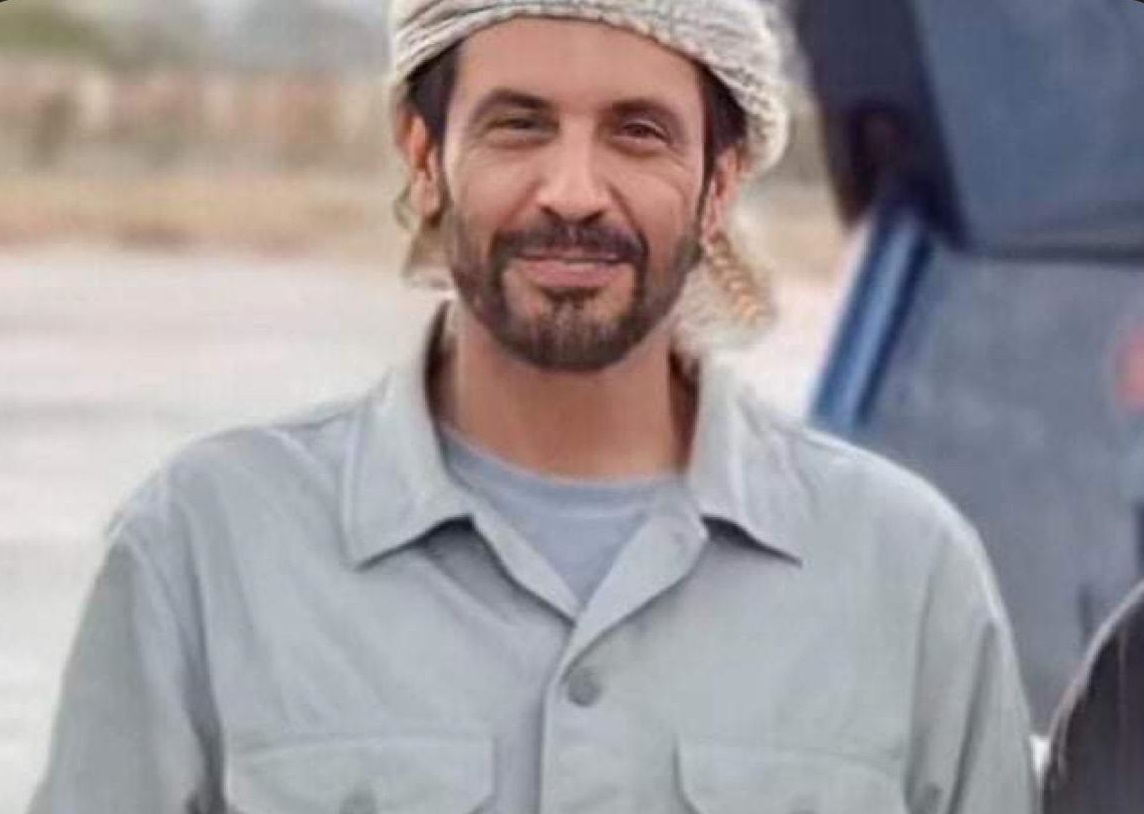
Watan-Yemeni media sources have revealed shocking information about the Emirati officer, Colonel Mohammed Mubarak Al-Mansouri, who was killed among Emirati officers and soldiers in the attack launched by the Somali Al-Shabaab movement on the “Gordon” military base in the capital, Mogadishu, on Saturday.
Yemeni reports and testimonies from Yemeni activists have confirmed that the Emirati officer, Mohammed Mubarak Al-Mansouri, is accused of engaging in torture activities in Yemen.
The Al-Shabaab movement claimed responsibility for the attack on the “General Gordon” base, targeting Emirati officers whose mission was to rebuild the Somali army.
Colonel Mohammed Al-Mansouri, who was killed in Somalia, is accused of torture operations and the killing of Yemeni detainees in the secret prisons run by the UAE in the city of Aden, southern Yemen.
The UAE admitted to the deaths of four of its military personnel in Somalia, including Colonel Mohammed Al-Mansouri, inside the “Gordon” base in Mogadishu, by the gunfire of a Somali recruit.
Political activist Adel Al-Hassani, who was subjected to arrest and torture in the notorious prisons in Aden years ago, revealed that Colonel Al-Mansouri killed many detainees and hidden individuals within the secret prisons from the southern provinces under the control of the Emirati-Saudi coalition.
Al-Hassani also stated that Mohammed Mubarak Al-Mansouri caused many detainees to suffer disabilities and impairments, including blindness and madness.
ابشركم من ضمن قتلى ضباط #الامارات في القاعدة الاماراتية العسكرية بالصومال يوم أمس العقيد محمد مبارك المنصوري، وهو احد الضباط الذين شاركوا في اليمن وكان لهم دور كبير بالعبث والفساد في مناطقنا جنوب اليمن، وقد سبق وتم تكريمه على يد شيطانهم محمد بن زايد.. مع ورور #شهداء_الإمارات pic.twitter.com/T8Z3WWJgZ1
— 🇾🇪يمني أصيل من أرض العوالق🇾🇪 (@Yamene11) February 11, 2024
On the “x” platform, Al-Hassani said, “It is not unlikely that Colonel Al-Mansouri was liquidated to bury with him the files of the crimes, as this is a method not unfamiliar to the state of conspiracies.”
Al-Hassani also pointed out that Somalia is subject to similar conspiracies as Yemen under the pretext of fighting terrorism, which is sponsored and supported by Abu Dhabi itself.
برغم انا لا نشمت في الموت لكن هؤلاء عاثوا في بلاد المسلمين وجزرهم محتلة.
ابشركم من ضمن قتلى ضباط الامارات في القاعدة الاماراتية العسكرية بالصومال يوم أمس العقيد محمد مبارك المنصوري، وهو احد الضباط الذين شاركوا في اليمن وكان لهم دور كبير بالعبث والفساد في مناطقنا جنوب اليمن. pic.twitter.com/37r0TPC2Pa— مبارك البيحاني 𐩣𐩨𐩱𐩧𐩫 𐩽 𐩱𐩡𐩨𐩺𐩢𐩱𐩬𐩺 (@m_albayhani) February 11, 2024
It is worth mentioning that the Emirati casualties affiliated with the armed forces, whom Abu Dhabi admitted to their deaths in Somalia, are: “Colonel Mohammed Al-Mansouri, Major Mohammed Al-Shamsi, Major Khalifa Al-Balushi, and Sergeant Suleiman Al-Shahhi.”
الضابط محمد بن مبارك المنصوري
أدار بعض سجون #الإمارات السرية في اليمن، وقُتِل على يديه الكثير، وأُصيب الكثير بعاهات مستدامة كالإعاقة وفقد البصر والجنون وغيرها.
كان أحد ضباط الإمارات الذين قُتِلوا في الصومال، التي تتعرض هي الأخرى لمؤامرات مشابهة بذرائع مكافحة الإرهاب، الذي ترعاه… pic.twitter.com/X7vNKFPDdK— عادل الحسني (@Adelalhasanii) February 11, 2024
A prominent official in the Somali army, who did not disclose his identity for sensitive security reasons, stated that the gunfire was carried out by a soldier residing in the camp.
The perpetrator of the attack was killed during the exchange of fire. Al-Shabaab also claimed responsibility for the attack, noting that it is a group affiliated with Al-Qaeda, according to media reports.
امطار الخير في وداع الشهيد محمد مبارك المنصوري #شهداء_الإمارات
#شهداء_الامارات_البواسل pic.twitter.com/sqQZonQebl— علي مبارك المنصوري (@Y_ae01) February 11, 2024
The Somali president offered his condolences to President Mohammed bin Zayed for the deaths of UAE Armed Forces members in Somalia, while the UAE president received condolences from several Arab and Gulf countries for the casualties of the UAE army in the terrorist attack in Somalia.